


The Analog Camera of the Digital World
The Analog Camera of the Digital World
Why the ability to capture changes how we move through the internet, and why MindStash is building an analog camera for digital curiosity.
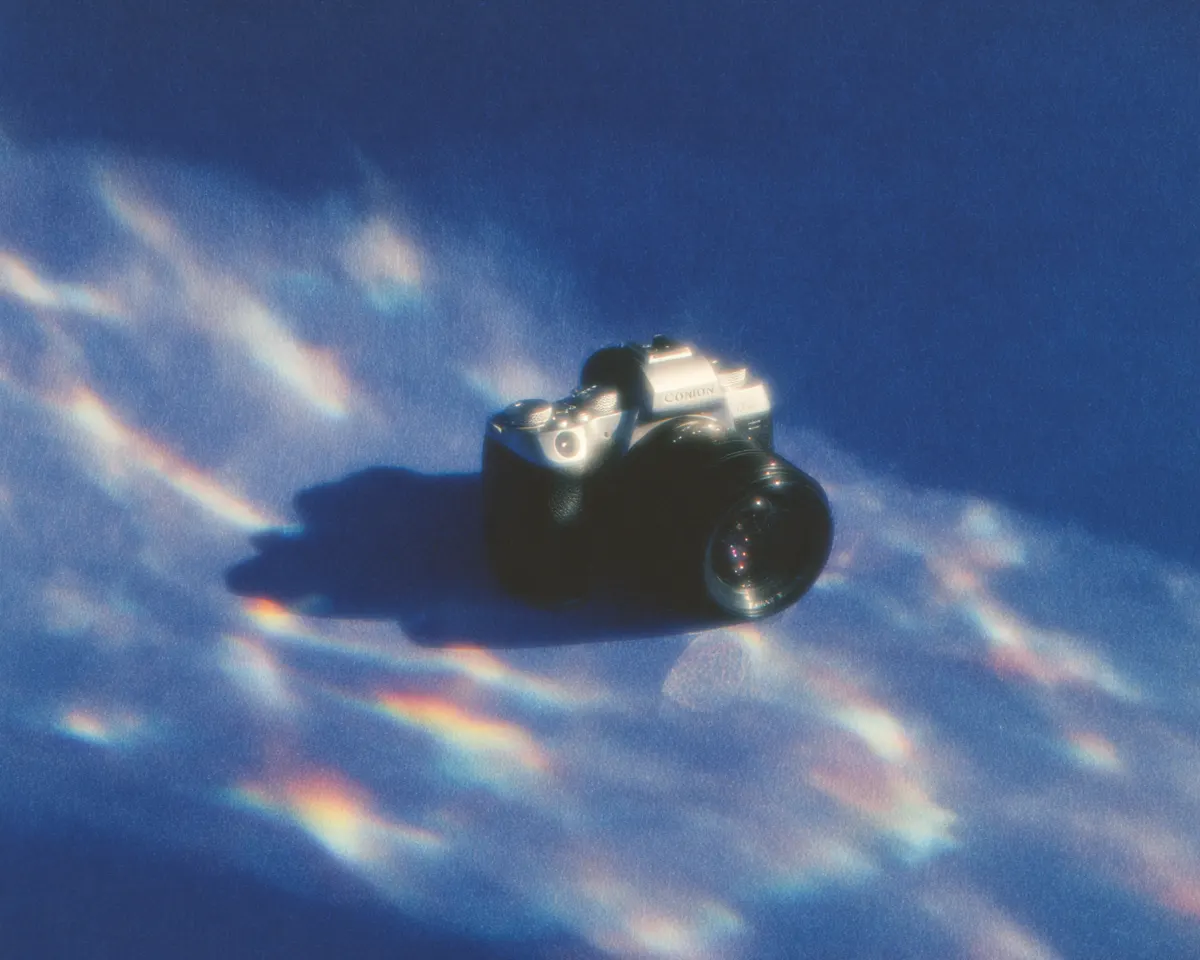
When I first learned analog photography, something profound shifted in how I moved through the world. Walking through a city with a camera in hand isn't just about taking pictures, it's about developing a different kind of awareness. You notice the way light falls on a stranger's face, the geometry in everyday architecture, the fleeting moments that would otherwise dissolve into memory's blur. The camera becomes more than a tool; it becomes a lens for curiosity itself.
Having the ability to capture changes everything. It transforms you from a passive observer into an active participant in your own experience. You're not just walking through a city anymore; you're composing, selecting, preserving. You're saying: this matters to me.
This is exactly what's missing in our digital lives.
We live in an age of infinite information, where humanity's entire knowledge base sits in our pocket. Yet we scroll past insights that spark something in us, lose book recommendations in forgotten conversations, let fascinating articles disappear into the browser's abyss. We have all this wonder at our fingertips, but no meaningful way to capture it. No analog camera for the digital world.
That's why we're building MindStash.
Just as a camera changes how you see a city, MindStash changes how you navigate the digital landscape. When you know you can capture anything that sparks your curiosity – truly capture it, not just bookmark it to forget – you begin to move through information differently. You become more aware, more intentional. You develop a practice of noticing what genuinely interests you, separate from what algorithms think should interest you.
But MindStash goes beyond capture. Like developing film reveals hidden details, MindStash helps your curiosities develop over time, creating connections you couldn't see before, bringing forgotten interests back to life at just the right moment and makes you care again about the things that spark something in you.
The internet is both treasure and abyss. We're not trying to tame it or organize it. We're simply giving you a tool to engage with it more mindfully, more creatively; to build a relationship with technology that serves your curiosity rather than consuming it.
Because in a world of endless information, the revolutionary act isn't consuming more, it's capturing what truly matters to you.